My experience growing edible flowers
If you’ve ever admired a garden bursting with colorful blooms, you may not have realized that some of those edible flowers belong on your plate just as much as they belong in a flower bed.
Over the past five years, I’ve become increasingly fascinated with edible flowers. What started as curiosity quickly turned into a favorite part of my gardening experience. From harvesting squash blossoms for summer recipes to scattering chive blossoms over salads and enjoying the peppery bite of nasturtiums, edible flowers have added beauty, flavor, and creativity to both my garden and kitchen.
Many gardeners focus on growing vegetables and herbs, while flowers are often planted solely for appearance. Edible flowers offer the best of both worlds. They attract pollinators, brighten garden spaces, support biodiversity, and provide unique ingredients that can elevate everyday meals.
If you’ve never considered growing edible flowers, here are some of the reasons they deserve a place in your garden.

Edible Flowers Bring Beauty and Function Together
One of the biggest advantages of edible flowers is that they are both ornamental and useful. Unlike some plants that serve a single purpose, edible flowers contribute to the garden in multiple ways.
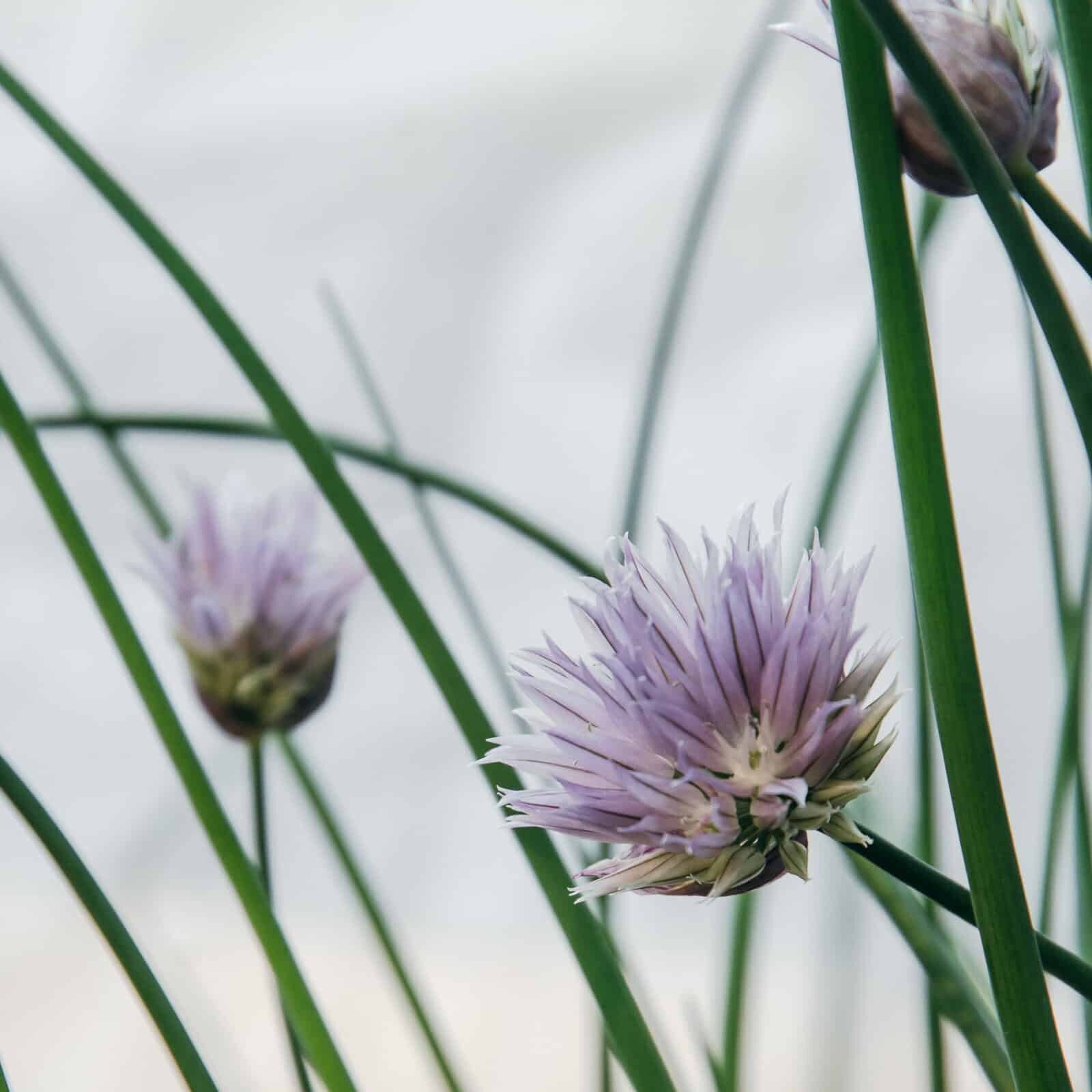
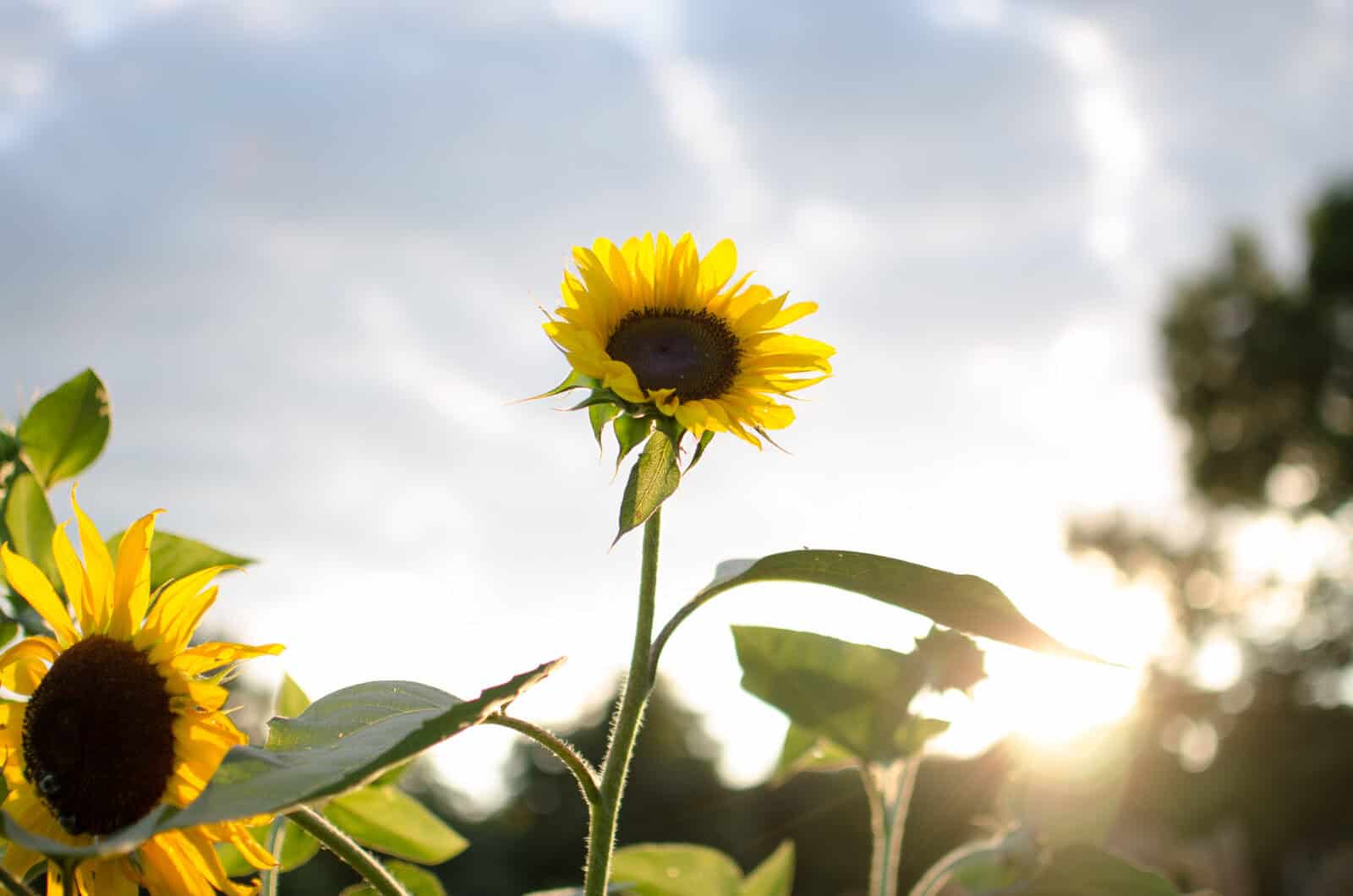
Nasturtiums spill over raised beds with vibrant orange, red, and yellow blooms. Chive blossoms create soft purple pom-poms that sway in spring breezes. Squash plants produce large golden flowers that seem to glow in the morning sun. Sunflowers tower above garden beds and become focal points throughout the growing season.
For gardeners who are working with limited space, edible flowers can help maximize every square foot. Instead of choosing between ornamental flowers and food crops, you can grow plants that accomplish both goals.
I love walking through my garden and knowing that the same blooms attracting bees can later become part of dinner.
They Support Pollinators and Garden Health
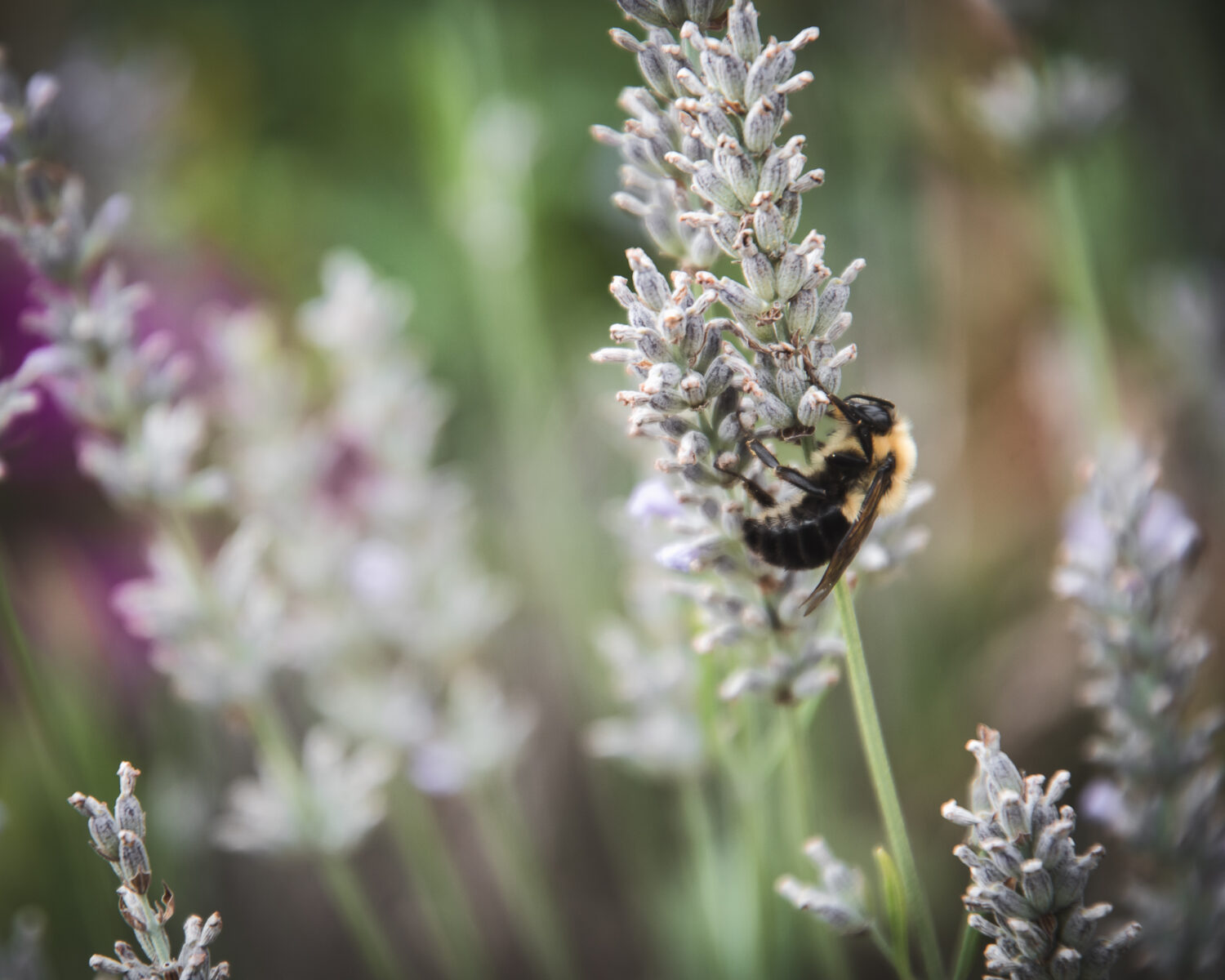
One of the most important benefits of growing edible flowers is the support they provide for pollinators. Bees, butterflies, and other beneficial insects rely on flowers as a source of nectar and pollen. By planting edible flowers throughout your garden, you create a more inviting environment for these important neighbors.
This becomes especially valuable when edible flowers are planted alongside vegetables. For example, squash blossoms naturally attract pollinators that help improve squash production. In my experience, nasturtiums do double duty in the garden by attracting beneficial insects and acting as a trap crop for aphids. Chive blossoms are equally valuable, drawing bees into the garden at a time when many spring vegetables are just beginning to emerge.
The result is often a healthier, more productive garden thanks to edible flowers and herbs.
Ways Edible Flowers Can Add New Flavors to Your Cooking
Many people assume blossoms are only decorative garnishes, but edible flowers can contribute surprising flavors. Each variety brings its own unique taste profile.
- Nasturtiums have a peppery flavor similar to arugula or watercress. Their bright blooms can add a spicy bite to salads, sandwiches, and cheese boards.
- Chive blossoms offer a mild onion flavor that works beautifully in compound butters, salad dressings, dips, and vinegars.
- Squash blossoms have a delicate, slightly sweet taste and can be stuffed, fried, sautéed, or added to pasta dishes.
- Sunflower petals provide subtle earthy notes and can be sprinkled over salads or grain bowls.
These flavors allow gardeners and home cooks to experiment with ingredients that rarely appear in grocery stores. Growing edible flowers opens the door to culinary creativity and helps expand your understanding of seasonal cooking.
They Encourage Seasonal Eating
Edible flowers naturally connect us to the seasons. Chive blossoms announce the arrival of spring. Squash blossoms signal the abundance of summer. Sunflowers reach their peak during the warmest months of the year.
Harvesting flowers has always encouraged me to pay attention to the rhythms of nature and appreciate ingredients when they are at their freshest.
FAQs About Growing Edible Flowers
Yes. While some edible flowers are grown primarily for their appearance, many contribute unique flavors to recipes.
The flavor depends on the variety. Nasturtiums have a peppery taste similar to arugula or watercress. Chive blossoms offer a mild onion flavor, while squash blossoms are delicate and slightly sweet. Some flowers have subtle flavors, while others can make a noticeable impact in salads, beverages, and savory dishes.
Yes. Just like fruits, vegetables, and herbs, edible flowers should be gently washed before eating.
Flowers can collect dust, insects, pollen, and debris while growing in the garden. To clean them, rinse them gently under cool water or swish them in a bowl of cold water. Pat them dry carefully with a clean kitchen towel or paper towel.
Harvesting flowers in the morning and using them soon after picking will help maintain their appearance and freshness.
Most edible flowers contain pollen, especially ones that are harvested shortly after opening.
Pollen is a natural part of the flower and is generally harmless for most people. However, individuals with severe pollen allergies may want to use caution when consuming edible flowers for the first time.
If desired, some flowers can be gently shaken or cleaned to remove excess pollen before serving. Certain recipes, particularly those using squash blossoms, may also call for removing the stamens (which are coated with pollen) before cooking.
Yes. Edible flowers are perishable and typically have a shorter shelf life than many vegetables.
Most are best used within one to three days of harvest. Their delicate petals can wilt quickly, especially during hot weather. To extend freshness, store them in a sealed container lined with a slightly damp paper towel in the refrigerator.
For the best flavor, texture, and appearance, use edible flowers as soon as possible after harvesting.
Some grocery stores, specialty markets, and farmers’ markets sell fresh edible flowers, particularly during spring and summer.
Edible Flowers Inspire Creativity in the Kitchen
One of my favorite aspects of growing edible flowers is discovering new ways to use them.
Flowers can be incorporated into meals in both simple and elaborate ways.
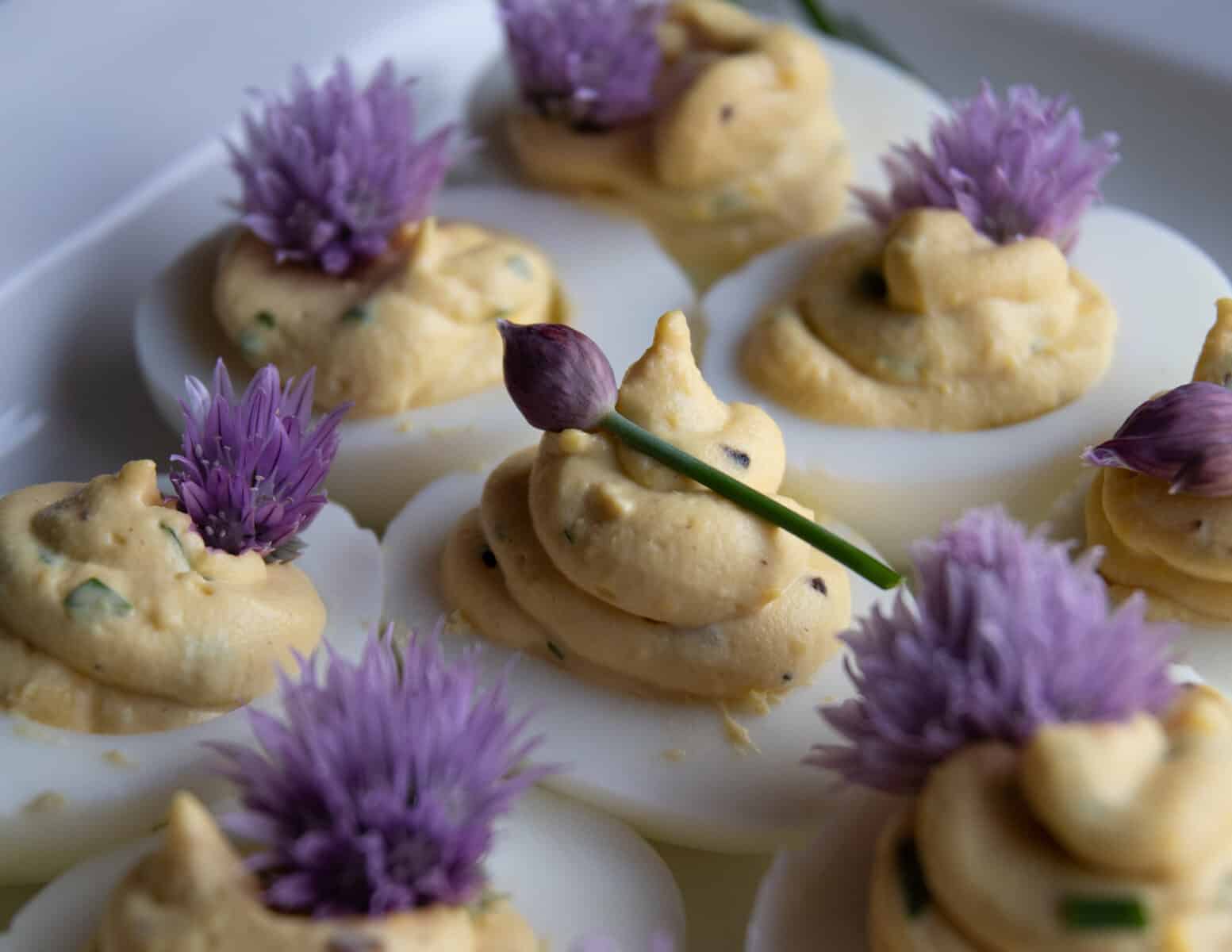
I often use edible flowers as garnishes for both sweet and savory recipes. Nasturtiums add a vibrant pop of color to dishes like my Watermelon Chia Pudding. At the same time, chive blossoms make an elegant finishing touch on appetizers such as Chive and Truffle Deviled Eggs with Chive Blossoms.
The visual impact alone can transform an ordinary dish into something memorable.
Children Can Love Growing Flowers
If you’re gardening with children, flowers can be a wonderful teaching tool. Kids are naturally curious about plants they can eat and can’t eat. For example, as I remember, the days my cousins and I would eat honeysuckle nectar, but tell strange stories about the “dangers” of mock strawberries that grew abundantly in our yards and parks.
The idea that flowers belong on a plate often sparks excitement and encourages children to engage with gardening in new ways.
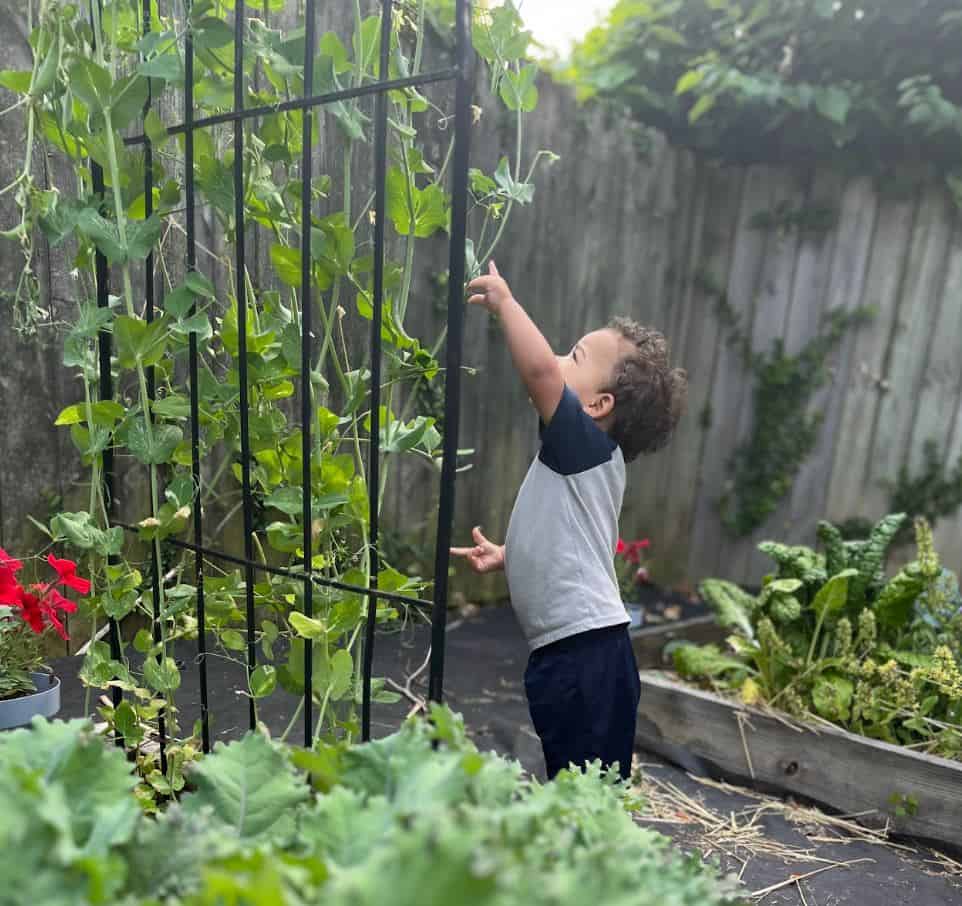
Edible Flowers to Grow with Kids
- Sunflowers are especially popular because of their impressive size.
- Nasturtiums grow quickly and produce bright, cheerful blooms that are easy for children to harvest.
Growing a variety of flowers can create opportunities to teach lessons about pollinators, plant life cycles, nutrition, and cooking. It transforms gardening into an interactive experience.
Activity Idea: Make a Bingo Card featuring common pollinators your kids may witness in the garden.
They Make Your Garden Feel More Abundant
There is something magical about harvesting from multiple layers of a garden. When vegetables, herbs, and flowers all contribute to your meals, the garden feels more productive and generous. Instead of viewing blooms as separate from food production, edible flowers blur the line between ornamental gardening and edible gardening. Over time, you’ll begin to see your garden differently.
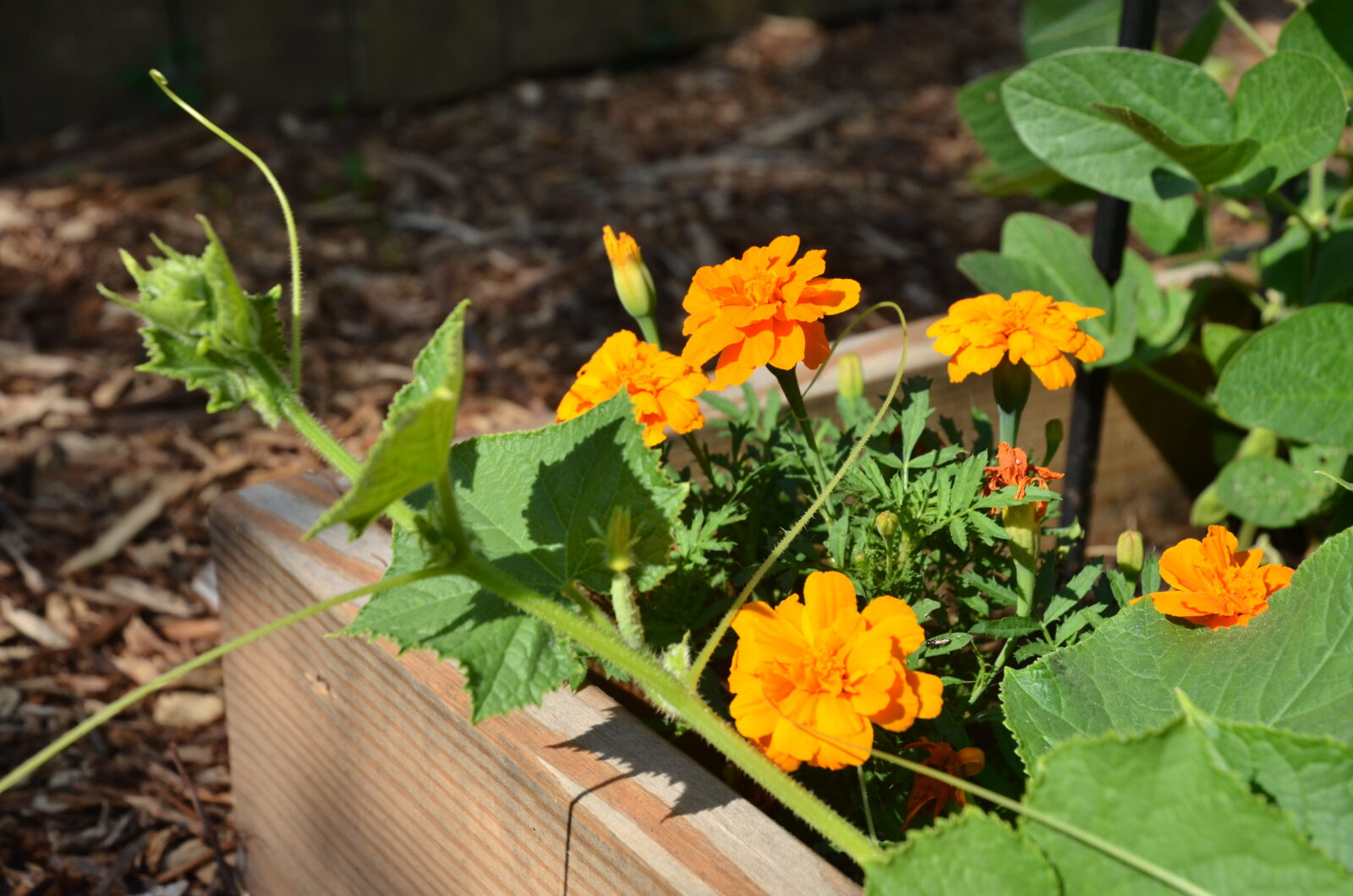
Tips for Growing Edible Flowers Safely
Before harvesting flowers for the kitchen, it’s important to follow a few safety guidelines.
- Only consume flowers that are positively identified as edible. Check out this comprehensive list of edible flowers and poisonous ones to avoid by grower Thompson & Morgan: HERE
- Avoid using flowers purchased from florists, garden centers, or grocery stores unless they are specifically labeled as edible. Many ornamental flowers are treated with pesticides or chemicals that are not intended for consumption.
- Harvest flowers in the morning when they are freshest.
- Rinse gently before use and remove any damaged petals or insects.
- When trying a new edible flower, start with a small amount to ensure you tolerate it well, as with any food, individual sensitivities can occur.
My Favorite Edible Flowers to Grow
After several years of experimenting, a few varieties continue to earn a permanent space in my garden.
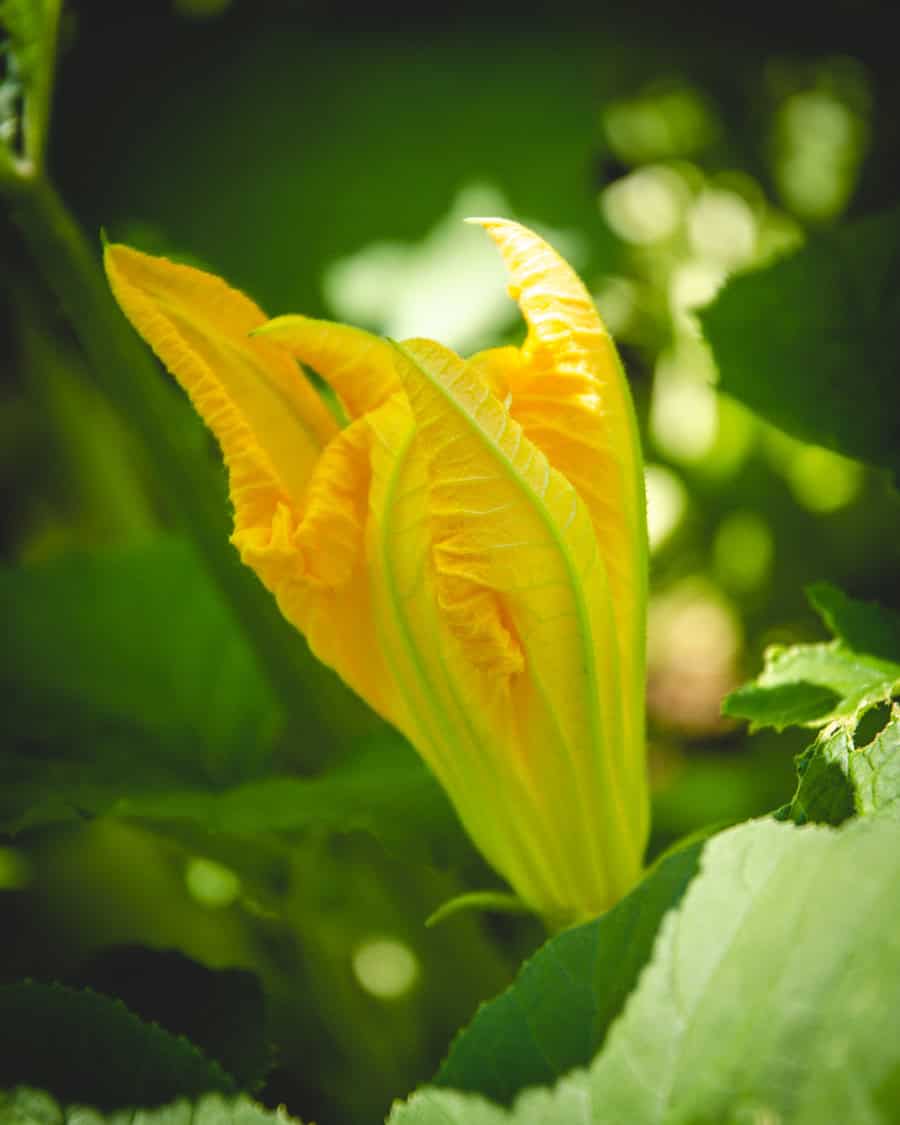
Squash Blossoms
These bright yellow flowers are one of summer’s greatest gifts. Their delicate texture and mild flavor make them incredibly versatile in the kitchen.
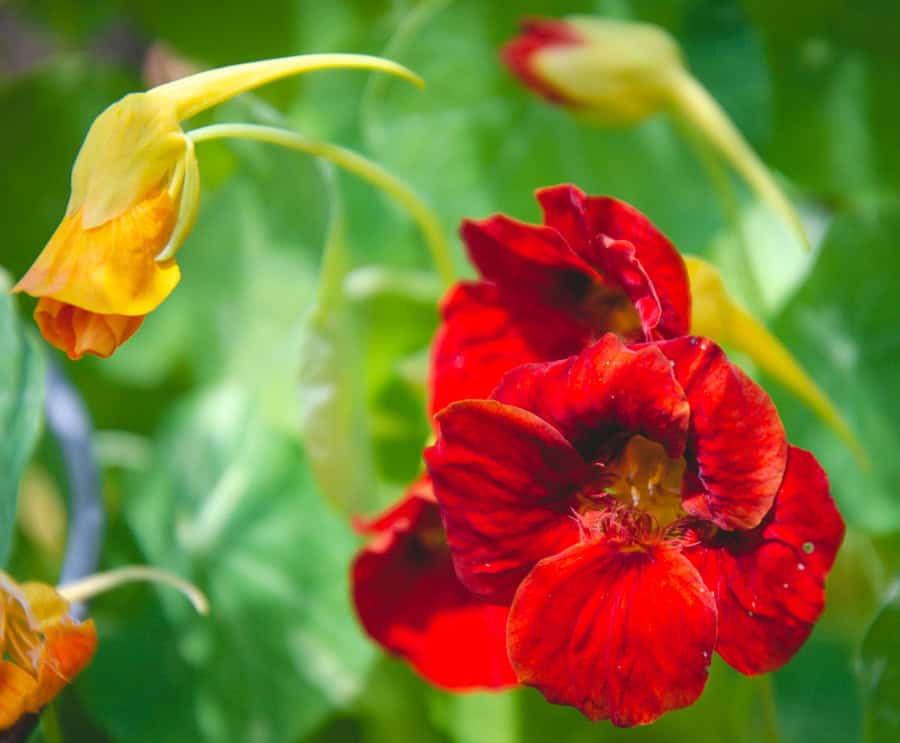
Nasturtiums
Easy to grow, beautiful to look at, and packed with peppery flavor. They are one of the most useful flowers for beginner gardeners.
Chive Blossoms
Chive blossoms offer a mild onion flavor that works beautifully in compound butters, salad dressings, dips, and vinegars. One of my favorite ways to preserve their flavor is to make homemade chive blossom salt, which captures both the blooms’ color and subtle onion notes.
Sunflowers
While often grown for their cheerful appearance, sunflower petals can also be used as edible decorations that bring color and personality to dishes.
All in All
Growing edible flowers has changed the way I think about gardening. They have taught me that a garden can be both beautiful and practical. They support pollinators, encourage biodiversity, inspire creativity in the kitchen, and help connect us more deeply to the changing seasons.
Over the past five years, I’ve discovered that edible flowers offer far more than visual appeal. They provide flavors, experiences, and moments of wonder that traditional vegetables alone cannot match.
Whether you start with a pot of chives, a patch of nasturtiums, a row of sunflowers, or a few squash plants, edible flowers can add an entirely new dimension to your garden.
You may begin by growing them for their beauty, but don’t be surprised if they become one of your favorite harvests.
More Edible Flowers Worth Growing
Once you’ve fallen in love with squash blossoms, nasturtiums, chive blossoms, and sunflowers, consider expanding your garden with:
- Calendula
- Borage
- Bee balm
- Lavender
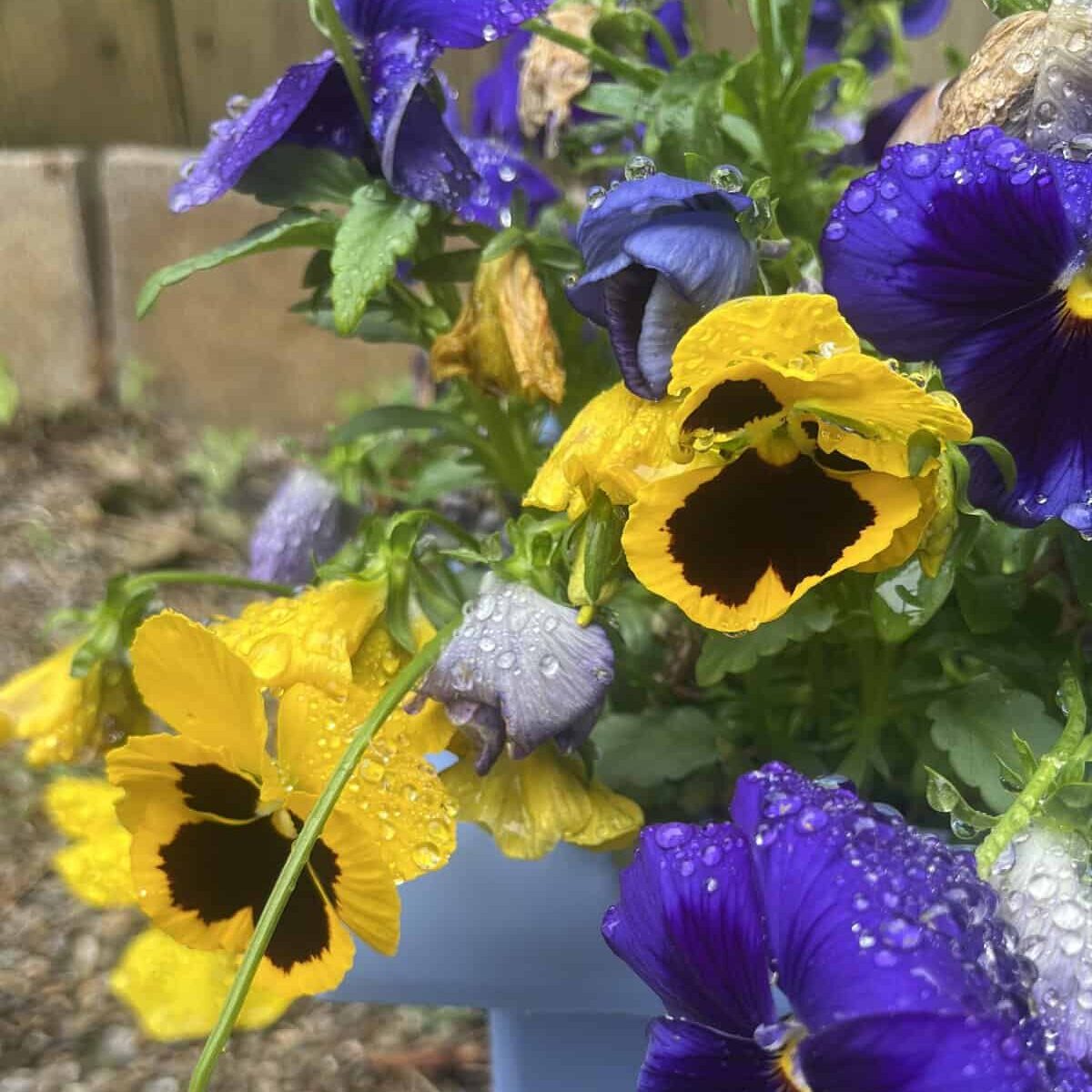
- Pansies
- Violas
- Bachelor buttons
- Dianthus
- Chamomile
- Rose petals
Each offers its own combination of color, flavor, and pollinator benefits, making edible flowers one of the most rewarding additions to any kitchen garden.
Leave a Reply